

Adjustable Pressure Relief Valve

Adjustable Pressure Relief Valve
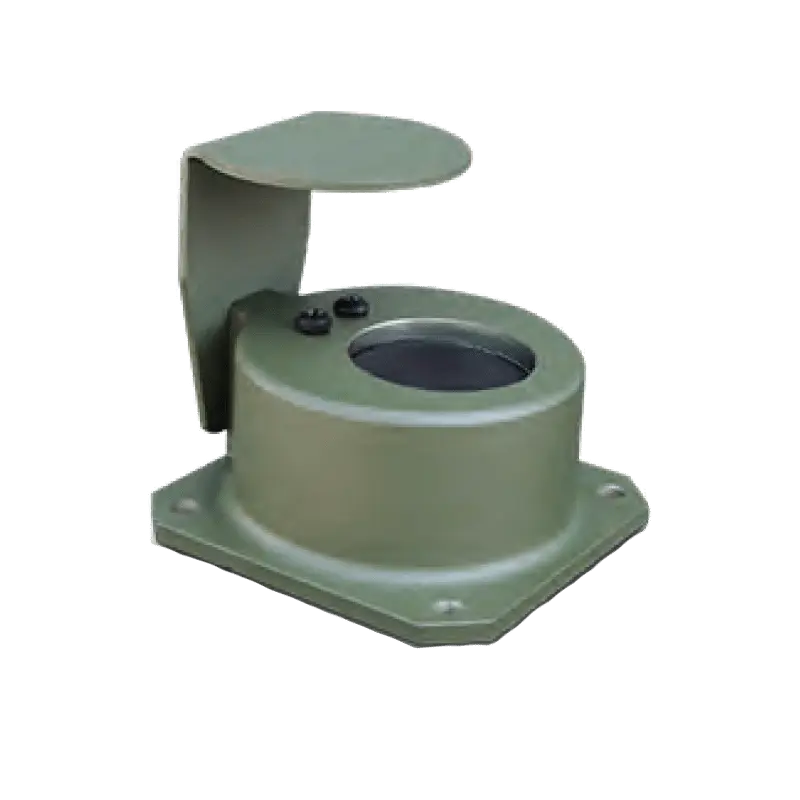
Blast valves are produced as relief valve on Positive Pressure CBRN Systems produced as per NATO AEP54 standards. The blast valves discharging CBRN system overpressure composed under proper conditions, are adjustable. Blast valves adjustable to requested pressure which have spring structure, can also be produced in special dimensions at user’s request.
Adjustable Pressure Relief Valve
Purpose
Where to use?
An Adjustable Pressure Relief Valve (APRV) is used in many industrial applications. For example:
-
Pump systems: APRVs ensure that pumps are protected against excessive pressure.
-
Hydraulic systems: In hydraulic systems, different hydraulic cylinders may require different pressures, and APRVs can be used to control these different pressure levels.
-
Steam boilers: APRVs are used to release excess pressure that may arise in steam boilers.
-
Oil refineries: APRVs are used to control the pressure in pipelines in oil refineries.
-
Liquid gas production facilities: APRVs are used to adapt to changes in pressure in liquid gas production facilities.
-
Chemical industry: APRVs are used to control pressure in chemical processes.
In these places, APRVs play an important role in ensuring safe operation of the system and preventing damage.
Types
Adjustable pressure relief valves come in several different types with varying structural and functional features. These can include:
- Gradual Pressure Relief Valve: These types of valves are designed to open at a specific pressure and gradually close several times until the pressure drops.
- Electronic Pressure Relief Valve: These types of valves are an adjustable pressure relief valve that uses an electronic control device to automatically adjust the pressure setting.
- Quick Pressure Relief Valve: These types of valves are designed to protect against sudden increases in pressure. They are often used in systems that operate at high pressures.
- Adjustable Pressure Relief Valve: These types of valves are manually adjustable pressure relief valves that work with a spring system that can be adjusted to open at a certain pressure value.
- Low-Pressure Relief Valve: These types of valves are used in systems that operate at lower pressures. They are commonly used in water and gas supply lines or in vehicle air brake systems.
Features
Test Standarts
The test standards for Adjustable Pressure Relief Valves can vary depending on their intended use and industrial requirements. However, some common test standards are:
-
API 527: Pressure Seat Leak Tests for Adjustable Pressure Relief Valves
-
ISO 4126-1: Safety Valve Standards for Adjustable Pressure Relief Valves
-
ASME Boiler and Pressure Vessel Code Section VIII: Design Standards for Adjustable Pressure Relief Valves
-
ANSI/ISA-75.01.01 (IEC 60534-2-1 Mod): Capacity Tests for Adjustable Pressure Relief Valves
-
MSS SP-110: Application, Maintenance and Test Standards for Adjustable Pressure Relief Valves
These test standards are used to ensure that Adjustable Pressure Relief Valves are properly designed, manufactured, assembled, maintained, and meet certain performance requirements.
What does it do?
An Adjustable Pressure Relief Valve is a type of valve used to regulate and control liquid or gas pressure. It is used in pressurized vessels, piping systems, and other industrial applications.
Adjustable Pressure Relief Valves automatically open and release excess pressure when a certain pressure level is reached, preventing damage to equipment, piping, and other system components due to high pressure. This reduces the risk of damaging equipment and improves the safety of the operation.
Additionally, Adjustable Pressure Relief Valves are useful in systems with variable pressure requirements. The pressure level can be easily adjusted using an adjustment screw or button, ensuring that the system operates at the correct pressure level and also saving energy.
In summary, the Adjustable Pressure Relief Valve is a critical component in industrial applications and plays a vital role in providing a safe working environment.
