
LIFEC Liquid Agent Extinguisher with Integrated Cylinder
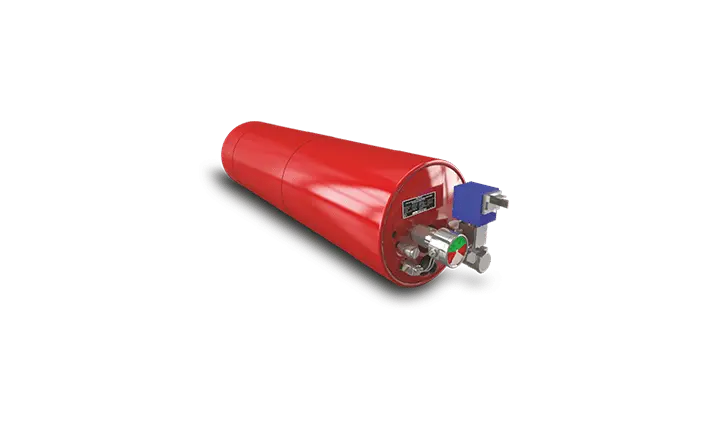
LIFEC Liquid Agent Extinguisher with Integrated Cylinder
Modern armored and combat vehicles face complex fire risks that require rapid, localized, and sustained fire suppression. Fires affecting vehicle hulls and tires can escalate quickly, compromising mobility, mission continuity, and crew safety. The LIFEC Liquid Agent Extinguisher with Integrated Cylinder is designed to address these challenges by delivering targeted, high-performance fire suppression using a specialized liquid agent developed for demanding military and industrial environments.
LIFEC Liquid Agent Extinguisher with Integrated Cylinder: Innovative Fire Suppression System
The LIFEC Liquid Agent Extinguisher is a highly effective fire suppression system developed by Nero Industries to protect the hull and tires of armored and combat vehicles against fire threats.
The system uses 10-liter integrated cylinders containing a specially formulated extinguishing liquid. The liquid agent is delivered to critical fire-risk areas through hoses and nozzles, ensuring precise and effective fire suppression.
A typical vehicle configuration includes:
One LIFEC cylinder with 8 nozzles for the vehicle body
One LIFEC cylinder with 4 nozzles for tire protection
Once activated, the system:
Extinguishes fire within 10 seconds
Prevents re-ignition for up to 3 minutes, providing extended protection after suppression
Purpose of the LIFEC Liquid Agent Extinguisher
The LIFEC system is designed to combat Class A and Class B fires, particularly those involving flammable liquids such as gasoline, oil, and solvents.
By cutting off oxygen and suppressing combustion, the liquid agent provides effective fire control in environments where rapid response and explosion prevention are critical. The system plays a key role in protecting sensitive equipment and ensuring operational safety in military, industrial, and specialized applications.
Where to Use LIFEC Liquid Agent Extinguishers
LIFEC fire suppression systems are suitable for a wide range of applications, including:
Armored and military vehicles
Automobile service centers and garages
Oil refineries and flammable liquid storage areas
Power generation facilities
Medical facilities
Marine and naval fire suppression systems
The system is especially valuable in military fire suppression applications, where integrated detection systems and rapid-response extinguishing are essential.
Types of LIFEC Liquid Agent Extinguishers
LIFEC Foam Agent Extinguisher
Uses foam to suppress Class B fires by forming a barrier between fuel and oxygen.
LIFEC Carbon Dioxide (CO₂) Agent Extinguisher
Provides clean agent suppression, suitable for electrical equipment and data centers, with no residue after discharge.
LIFEC Chemical Powder Agent Extinguisher
Designed for multi-class fire suppression, particularly in explosion-prone environments requiring enhanced protection.
LIFEC Water Agent Extinguisher
Used primarily for Class A fires, suitable for general-purpose fire suppression in industrial and commercial settings.
Key Features of the LIFEC Liquid Agent Extinguisher
Effective against both solid combustibles and flammable liquids
Designed for industrial, military, and marine fire safety
Environmentally responsible liquid agent with no ozone-depleting impact
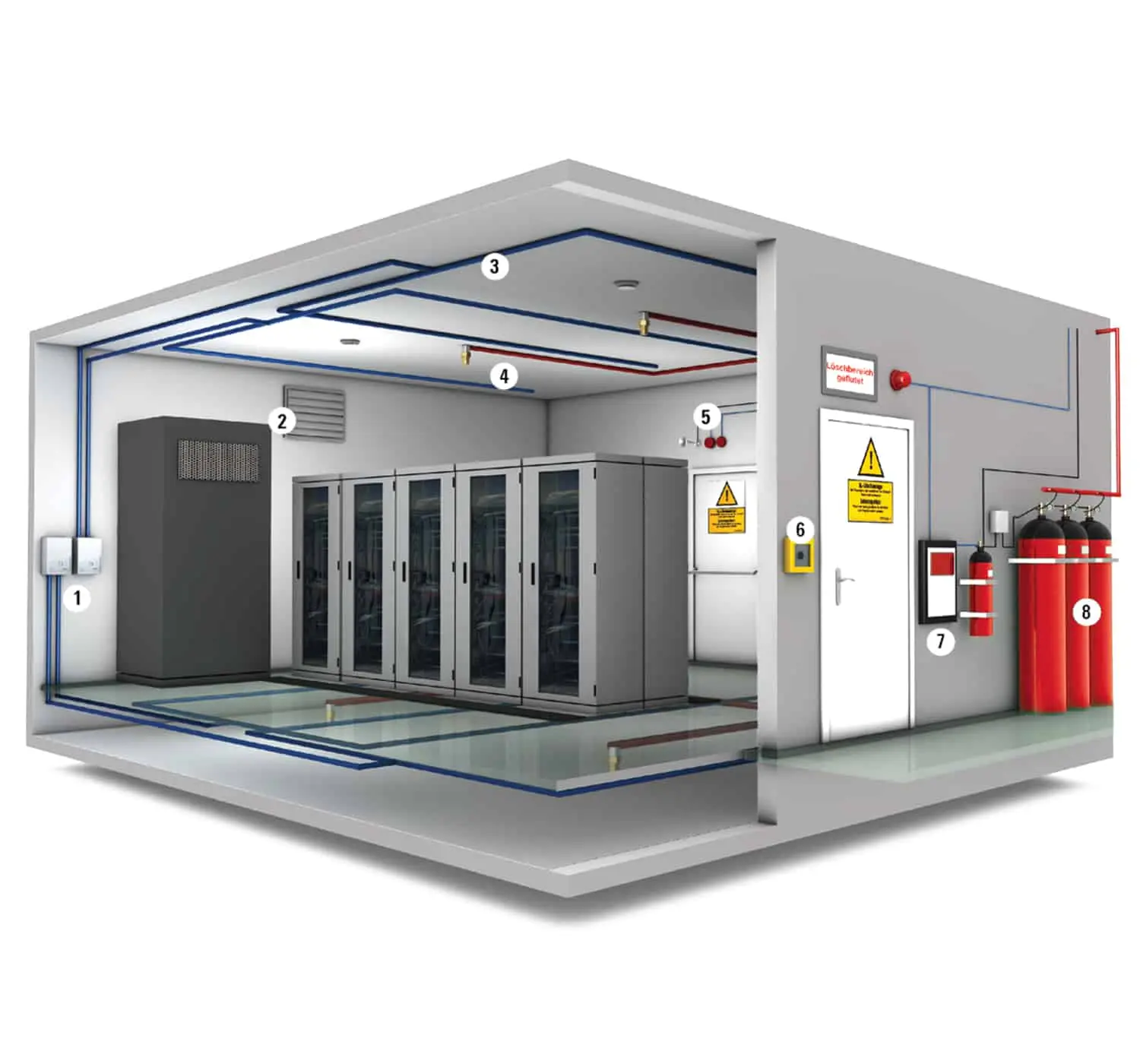
Compatible with UV-IR detectors and controller units for automatic activation
Clean, easy to use, and recyclable
Supports rapid-response fire safety in emergency situations
Compliance and Test Standards
The LIFEC Liquid Agent Extinguisher is tested in accordance with internationally recognized standards, including:
NFPA 10 – Portable fire extinguishers
UL 711 – Fire extinguishing performance classification
NATO STANAG – Military operational requirements
Testing includes pressure resistance, leak tightness, and overall system performance, ensuring suitability for sensitive equipment, medical facilities, and armored vehicles.
Aqueous Film Forming Foam (AFFF) and Fire Suppression
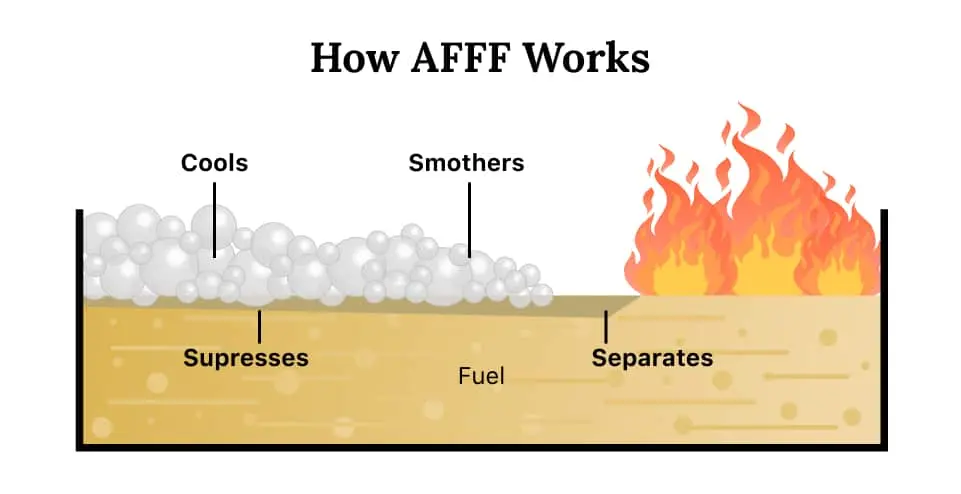
AFFF-based fire suppression systems are widely used in military facilities, power generation plants, and industrial fire protection applications. AFFF forms a film over flammable liquids, preventing oxygen contact and suppressing fire effectively.
Toxicity Considerations and Industry Transition
Some traditional AFFF systems contain PFAS compounds such as PFOA and PFOS, which have raised long-term health and environmental concerns. Regulatory bodies have begun restricting these substances due to potential risks.
As a result, the fire safety industry is increasingly shifting toward non-toxic and environmentally responsible alternatives that comply with updated safety regulations while maintaining high fire suppression performance.
Frequently Asked Questions (FAQ)